NAMA Women Advancement discusses strategic reforms for retaining Emirati women in Sharjah’s private sector
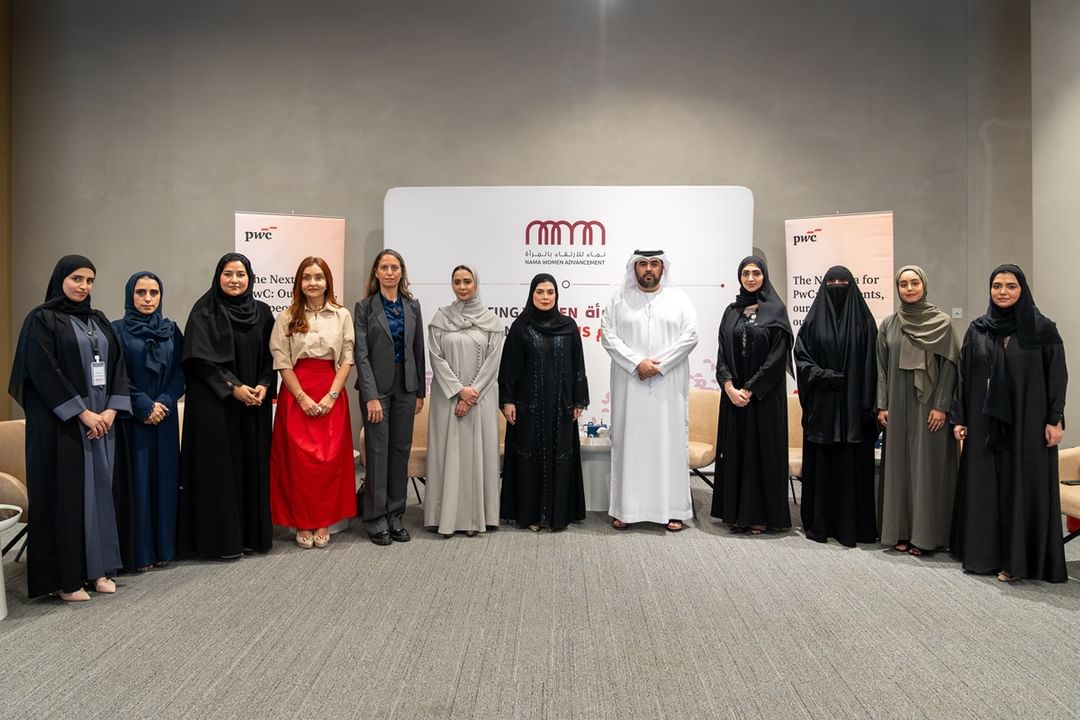
SHARJAH, 28th November, 2025 (WAM) — NAMA Women Advancement (NAMA), in partnership with PwC Middle East, convened a closed panel discussion at Sharjah Research Technology and Innovation Park (SPARK) to accelerate structural reforms aimed at improving the long-term retention of Emirati women in the private sector. The discussion forms part of a wider joint research project conducted by NAMA and PwC Middle East, which identifies Emirati women’s perspectives on working in the private sector, examines the challenges they face and their impact on job satisfaction and career progression.
Hosted under the theme “Beyond Recruitment: Strategies to Retain Emirati Female Talent in the Private Sector in the Emirate of Sharjah,” the panel brought together HR directors, policymakers, and senior representatives from government and industry to translate NAMA and PwC Middle East findings into practical, sector-wide recommendations.
A unified effort across government and industry
The session was attended by Majid Hamad Khalfan Al Marri, Director of the Sharjah Department of Human Resource; Aisha Jasim Al Mansoori, Director of National Talent Recruitment Department at the Ministry of Human Resources and Emiratisation; Maryam Almarzouqi, member of the Nafis Youth Council and Director of Human Resources and Emiratisation for the UAE at ACWA Power; Ghada Abdelkader, Senior VP, Crescent Enterprises-Invests; Sumaya Ali Al Zarooni, Director, HR Business Partnership, Human ResourcesOrganisational Development at the Sharjah Investment and Development Authority (Shurooq); Fadheela Al Marzouqi, Head of Human Resources at Sharjah Islamic Bank; and Sarah Al Musabi, researcher and public policy analyst at the United Arab Emirates University. The discussion was moderated by Zina Janabi, Middle East Inclusion & Diversity Director, PwC Middle East.
Commenting on the session, Mariam Al Hammadi, Director-General of NAMA, said, “Through its various initiatives, NAMA is keen on empowering women across all sectors and strengthening their decision-making roles, in line with our vision of supporting women’s economic and social participation. The private sector, by its nature, seeks profitability and competitive excellence, and we believe that women have the capability to contribute meaningfully to the growth of this sector through their diverse skills and expertise that enhance productivity and support innovation.”
Al Hammadi emphasised that the strong representation from both public and private stakeholders at the panel discussion reflects a national shift in the UAE toward workplaces that recognise women’s contributions as integral to institutional growth, and to the nation’s broader economic trajectory.
Zina Janabi commented, “This collaboration with NAMA reinforces the importance of taking a holistic, data-driven look at what truly supports Emirati women to build meaningful, enduring careers in the private sector. The engagement we saw today from leaders across government and industry signals a strong appetite to move from dialogue to delivery. At PwC Middle East, we’re proud to contribute our insights and work alongside partners who share a commitment to advancing women’s participation and shaping workplaces where talent can grow.”
The closed panel discussion began with a presentation of the joint NAMA–PwC Middle East research, followed by briefings by Majid Hamad Al Marri on Sharjah’s ongoing Emiratisation efforts. It was followed by a review on key milestones from the Nafis programme presented by Aisha Jassim Al Mansouri.
Discussions also emphasised the need for coordinated mechanisms between government, private companies, and support entities to monitor retention trends, improve workplace engagement, and create sustainable career pathways for women across Sharjah’s private sector.
All insights and recommendations from the discussion will be incorporated in the final research report that will be published in March 2026.